
How to advertise a barbershop, and count what it brings in
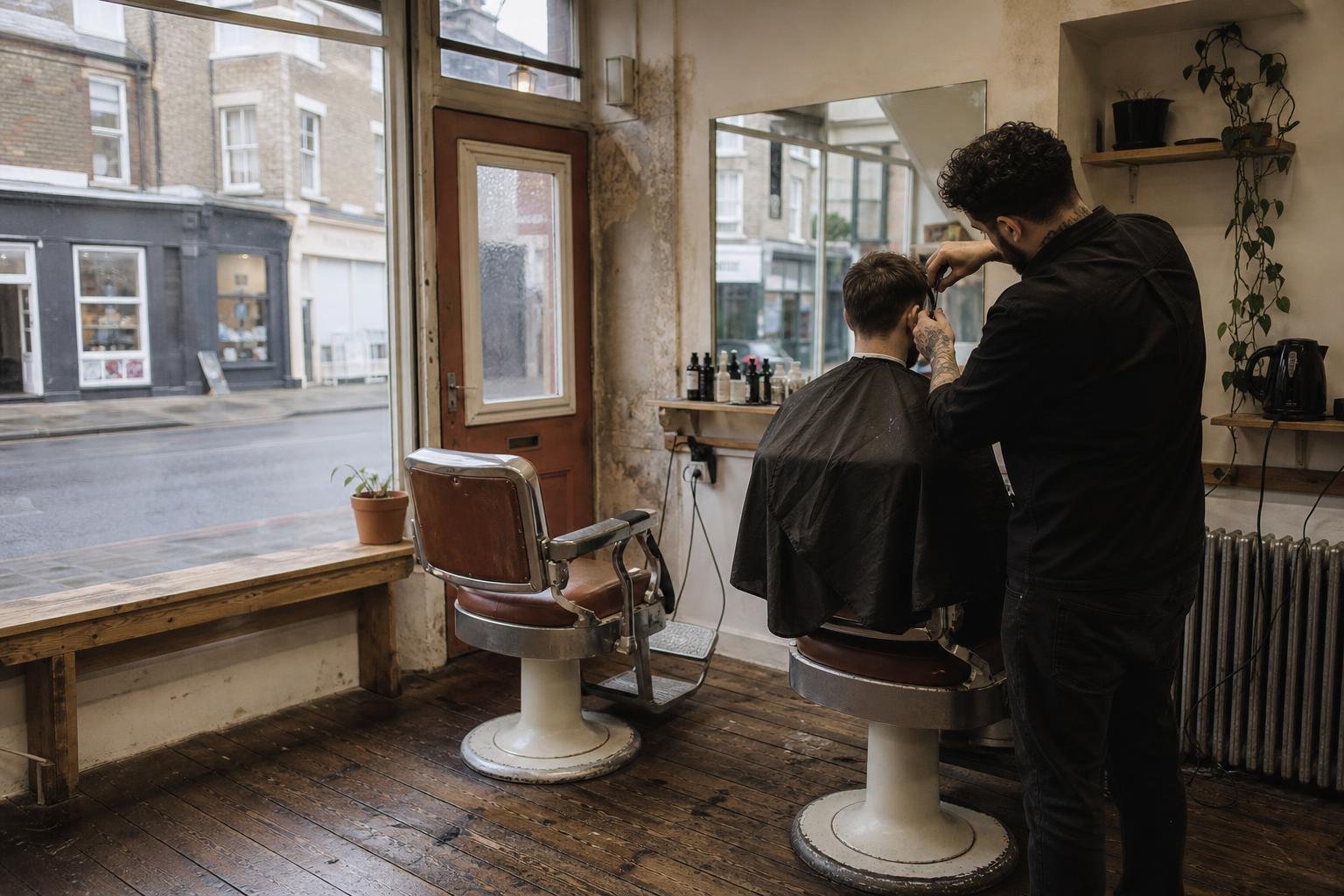
The best way to advertise a barbershop is the part most guides skip. Get your Google listing right first, because that is where a search for a barber ends up, and it costs nothing. Pay for ads only when you have empty chair hours you could actually fill, and point them at searches that name the work you do, in the hours you are open. Then decide, before you spend a penny, how you will tell whether it worked. For a shop that runs on walk-ins, that last part is harder than anyone admits, and it is most of what this piece is about.
Start with the listing, because that is where the search lands
Google’s own page on local ranking says that when someone searches for a business near them, they find local results on Google Maps and Search. Those results come from Business Profiles, and the same page says they are mainly based on relevance, distance and how well known a business is. It also says, in so many words, that there is no way to request or pay for a better local ranking.
So the first bit of advertising a barbershop is the bit money cannot buy. The page lists what helps: verify the business, keep the details complete and accurate, put in your hours including special opening hours, choose the right category, reply to reviews, add photos. For a walk-in shop the hours deserve the most care, because the man deciding whether to walk round now is reading them.
If your shop has gone missing on Maps, why your salon does not show up on Google Maps goes through the usual causes, and they are the same for a barbershop.
Do you need paid ads at all?
Not always, and it is worth answering honestly before you spend anything.
If Saturday is out of the door and Tuesday afternoon is dead, you do not have a more customers problem. You have a Tuesday problem. An ad left running all week spends some of its money on Saturday, when you could not have fitted another head in anyway. Should your salon’s ads run when you are closed goes through choosing the hours, and it applies to clippers as much as scissors.
Three cases where we would tell you not to bother:
- You are already full. If there is a queue most days and no spare chair, more demand is just a longer queue.
- You cannot add a barber. If the gaps are there because you are short-handed, an advert will not cut anybody’s hair.
- You would be spending under about £100 a month. Below that there is not enough in it for anyone, us included.
And one that is particular to small shops: some are kept under the VAT threshold on purpose. If that is you, read should you advertise when you are close to the VAT threshold first. If the real worry is a cheaper shop that has opened nearby, that is its own piece: competing with the cheap barber down the road.
The sums on a £20 cut
Barbering is lower ticket than a salon, so the maths has to work on regulars rather than on first visits. These numbers are made up. Put your own in.
Say a cut is £20 and a regular comes in every four weeks. That is 13 cuts a year, so one regular is worth £260 a year.
Say you spend £150 a month on ads. That is £1,800 over a year, before any fee for running them.
Paid back by one-off cuts, £1,800 is 90 heads who never come back. Paid back by regulars, it is seven who stay the year, because seven times £260 is £1,820.
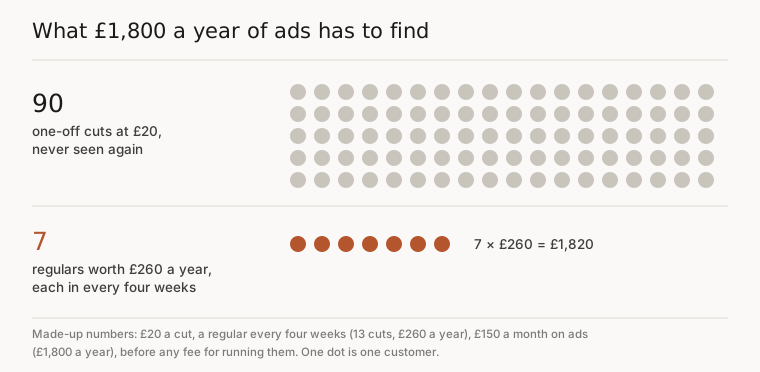
That is the case for advertising a barbershop and the case against it, side by side. Seven men in a year is not many. But you have to be able to tell whether you got them, and that is where a walk-in shop runs into trouble.
What an ad can count in a walk-in shop
A salon that takes bookings at least has something to count, even if it is imperfect, and we went through that in how do you know a booking came from your Google ad. A walk-in shop has a door. Here is what Google can count, read off its own help pages on 22 October 2026.
Calls from the ad. With call reporting switched on, Google’s call reporting page says it puts a forwarding number on your ad and records details like how long each call lasted, when it started and whether it connected. That is the most exact number on this list.
Your listing’s numbers. Google’s performance page counts calls (taps on the call button), direction requests and website clicks. One line on that page matters more than the rest: performance data includes views, searches and actions from both organic search results and Google Ads. So if direction requests go up the month the ad starts, the listing cannot tell you how many of them the ad bought.
A Smart campaign’s visits goal. Google’s own simple campaign type offers a goal called Get more visits to your physical location. Read what its goals page says it reports: how many customers interacted with your business on Google Maps as a result of the campaign. Interacted on Maps. Not walked in.
Store visits. Google does estimate visits, and its store visits page is frank about how: anonymous, aggregated statistics, extrapolated to represent your customers. To be eligible, your ads need enough clicks or impressions and your business needs enough foot traffic to pass Google’s privacy thresholds, which it says vary by advertiser, and it adds that the more locations you have, the more likely you are to have enough data. A one-door shop on a modest budget should not plan around it.
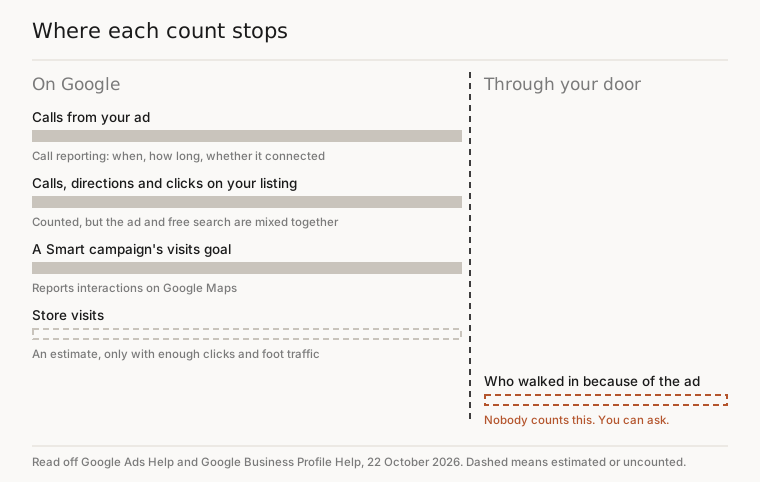
Nothing on that list is the man in the chair. We will not pretend otherwise: no ad platform knows who walked in because of an advert, and anybody who tells you they do is guessing.
Count the walk-ins yourself
The fix is low-tech, and it suits a barbershop because you already talk to every customer.
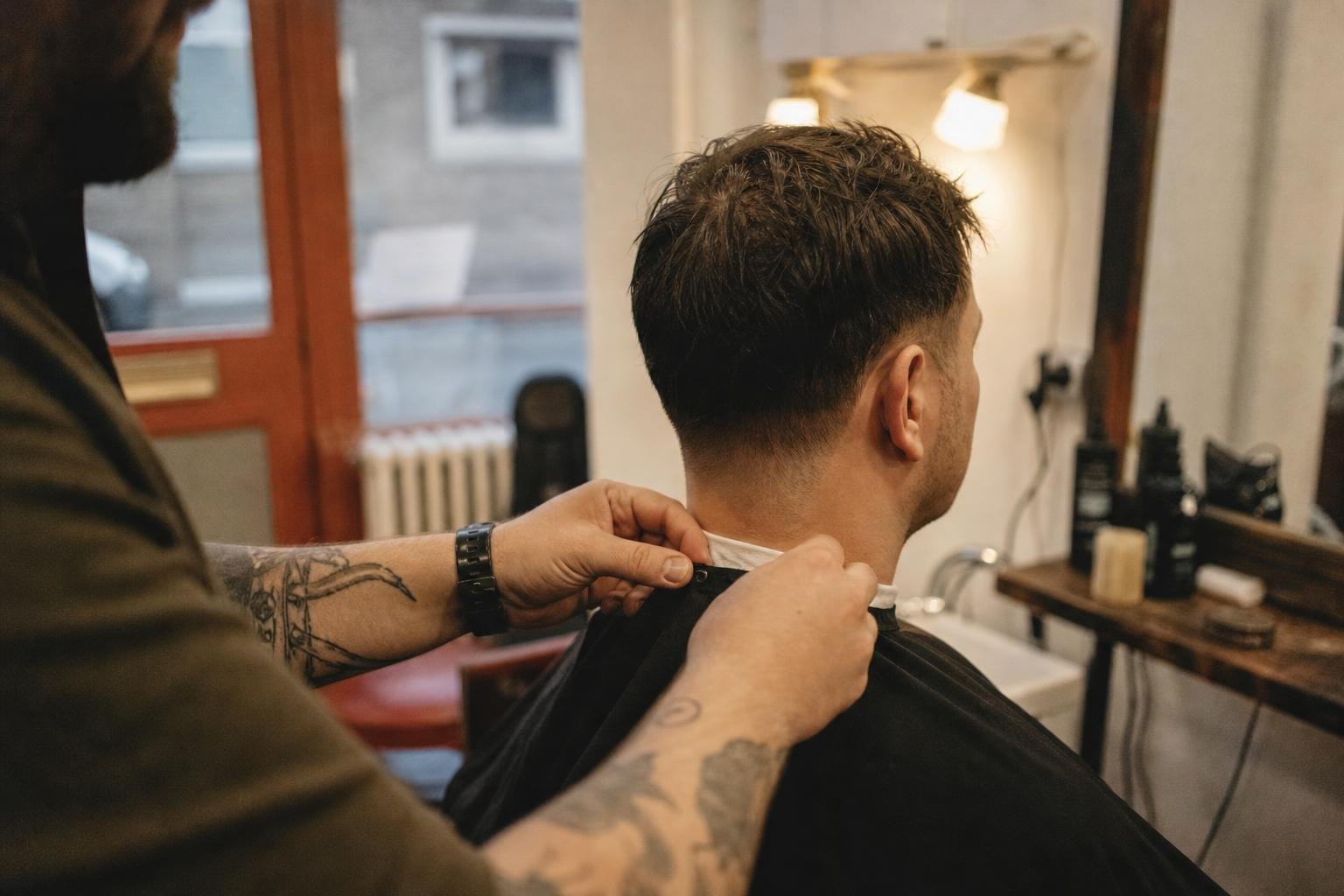
When a face you do not know sits down, ask how he found you. Keep a tally by the till: walked past, a mate, Google, Instagram, something else. Do it for a month before the ad starts and keep going once it is running.
It is not science. People misremember, and Google covers the free listing and the ad alike. But it is a real count of real heads, and next to the call log and the listing’s direction requests it tells you more than any of them on its own. If the new faces saying Google go from a handful to a lot in the month the ad ran, you have your answer. If nothing moves, you have that answer too, and it cost you a month rather than a year.
The regulars question then answers itself over time. You know which of those new faces came back, because you cut their hair.
If you do run an ad, keep it narrow
- Search ads, not boosted posts. A search ad shows to somebody who has just typed what he wants. Google Ads or boosting Instagram posts goes through the difference.
- Name the work. Skin fade, beard trim, kids’ cuts, hot towel shave, each with your town. Barber near me is the search your free listing is already competing for.
- Run it in your quiet hours, with your number on it as a call asset, and with the obvious junk blocked: barber courses, barber jobs, apprenticeships, cheap.
- No website? Less of a blocker than it sounds, but there is a catch with your phone number: Google Ads for a barbershop with no website.
That is what we do for barbershops and salons, so read this knowing we are selling it. One campaign split by service, 536 time-wasting searches blocked before your first click, a landing page on our domain, your Google listing fixed before you pay anything, then four numbers and one email a month. It is £15 to £149 a month depending on what you spend on ads, no commission on bookings ever, and you can cancel in one click.
Our one named result is a salon, not a barbershop: Rachel Hartley at The Lockhouse, on £300 a month, says it got her eight colour clients in the first month. That is one business, and it is not yours. The free assessment takes about forty seconds and shows you your own local search numbers and what is wrong with your Google listing, before you have an account or hand over a card.
Questions people ask
Can I switch a Smart campaign from the calls goal to the visits goal later?
No. Google says you cannot change a Smart campaign's goal once it is fully set up. To aim at a different goal you have to create a new Smart campaign with that goal. Google's own tip is that you can run more than one Smart campaign if your business genuinely has more than one goal.
Will I see the number of a man who rang from my ad?
Usually, yes. Google's call reporting page says it records the caller's phone number for calls over 15 seconds, and that caller ID still works on calls routed through its forwarding number, so your phone shows who is ringing. That is a quick way to see whether the ad brought new numbers or just your regulars.
Do I pay if someone reads the number off my ad and dials it by hand?
No. Google's call reporting page says it does not charge advertisers when somebody manually dials a Google forwarding number. You pay when the number shown in the ad is tapped, and Google says that costs the same as a click through to your website.
Why can I not see any numbers on my Google listing?
Google says performance data is only available for verified Business Profiles, so an unverified listing shows nothing. Verifying is also the first tip on Google's own local ranking page. Once you are verified, the numbers are under Performance on your profile, or under Business in the Google Maps app.
If one man taps for directions three times, does that count as three?
It should not. Google says it changed how it counts direction requests to allow for repeated taps, cancelled requests and spam, so the figure is meant to be closer to people than to taps. Calls work differently: Google counts taps on the call button, whether or not the call went through.
